
How Coffee Changed The World: From Dancing Goats to Specialty Coffee
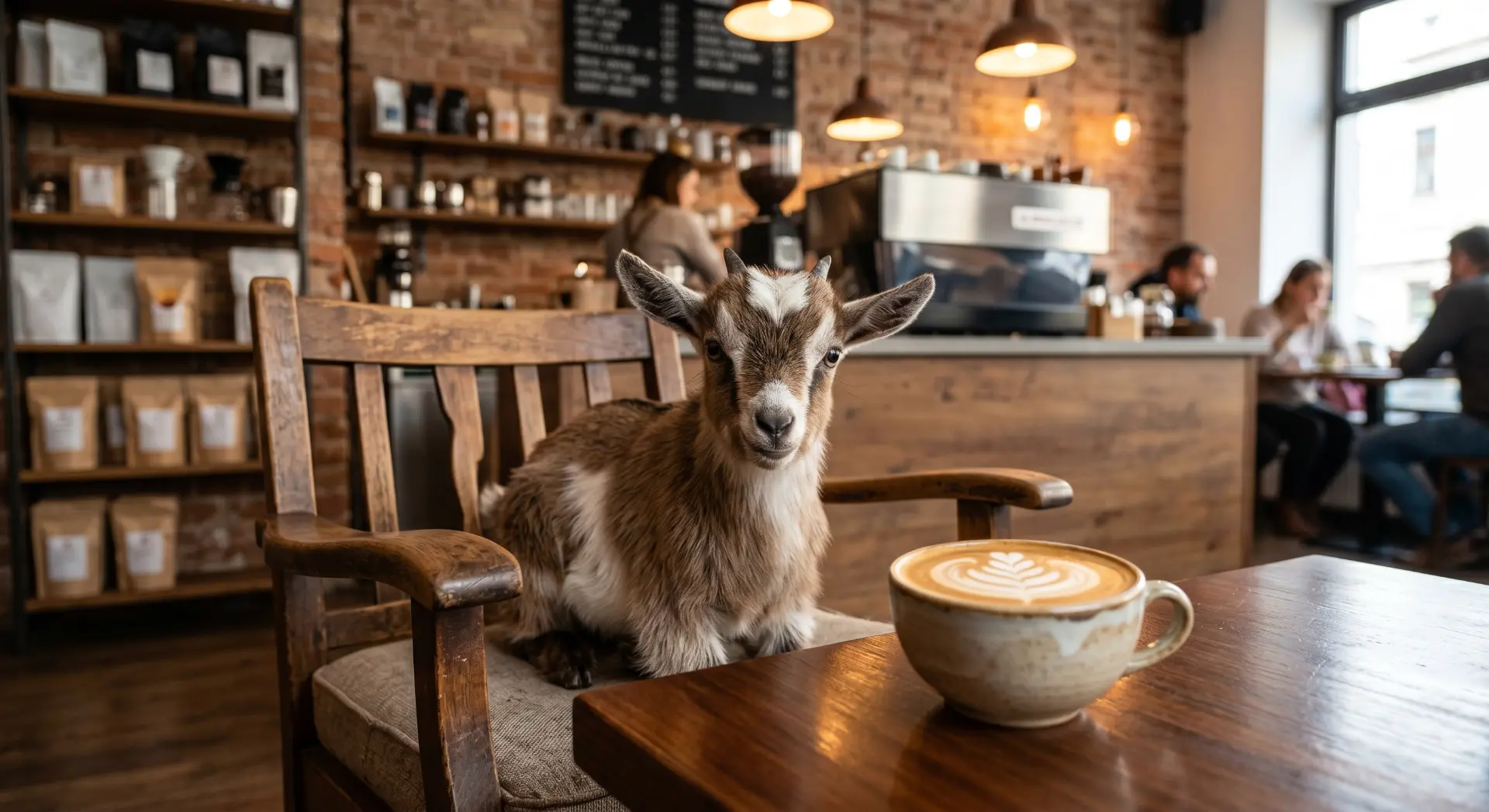
Have you ever wondered why we live in the world we live in? What shaped it this way? You know, all the blurry confusion that's filling your head right after waking up…and right before your first sip of morning coffee.
The Greatest Goat Of All Time
Kaldi was but a simple goat herder, yet he started a butterfly effect that has shaken up the entire universe. One day, he was just watching his goats, when he noticed that after eating some weird red berries, they became possessed. Not by the Devil, but by virility! He had to try these magic beans himself, but eventually he thought "what about mankind?", and took them to a monastery. The monks, however, were not impressed. Convinced this was the work of diabolical forces, they hurled the beans into the fire. But then something unexpected happened: the fire released an aroma so heavenly, that the monks realized it's not a curse, but a blessing! And as we know, the rest is history.
The Ottoman Empire Strikes Back
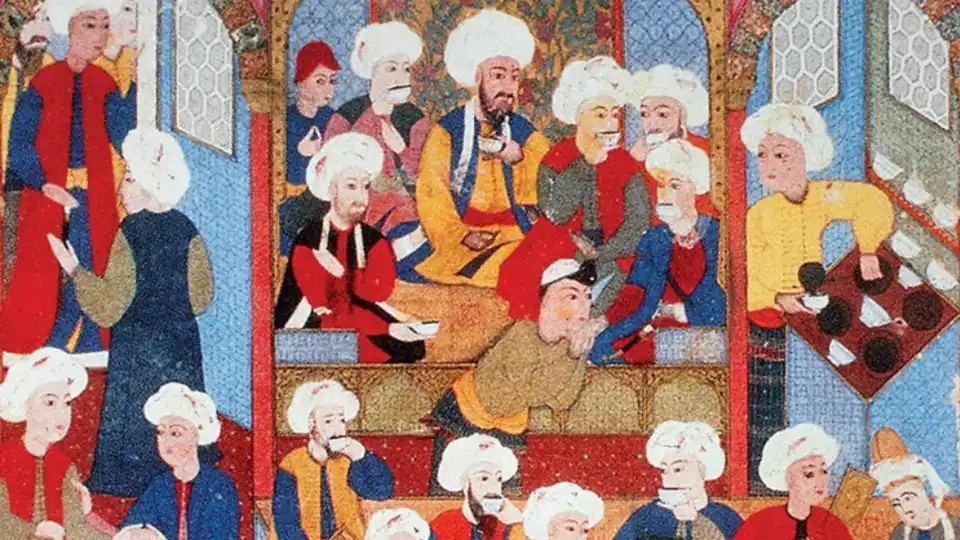
For centuries, coffee just lived as a local curiosity rather than a world conquest trying to unfold. But it all changed when Suleiman the Magnificent took his first sip. When you are the most powerful man in your era, not too many things can make your heart beat faster, but coffee definitely can.
The name Feketeleves (black soup) also originates in this era. According to the legend, an Ottoman pasha invited a few hostile noblemen for a feast. When they tried to leave, he said "the feketeleves is yet to come", meaning they will be served coffee, then taken captives. Since then, it became a lasting symbol for "the worst part is just about to happen". However, for us coffee lovers it is the very opposite: the highlight of the day. As soon as we smell the fresh beans, we know: "the best is yet to come!”
The spread of coffeehouses has also had a side effect: people started to talk and think more, which the next Sultans did not like at all, so they banned coffee.
The Coffeehouse Revolution
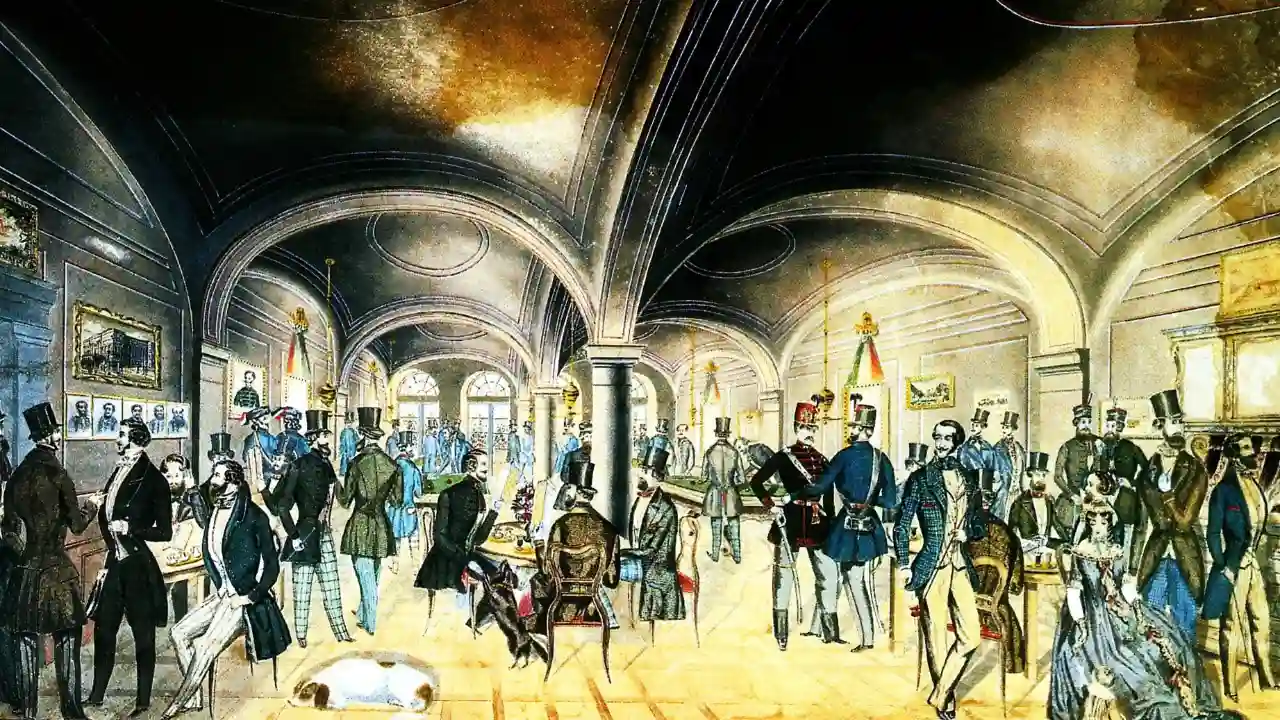
Since drinking less coffee meant less thinking, the Ottoman Empire started its decline. Among the remnants left behind after the failed siege of Vienna, there was found a thing most unlikely, and yet destined for greatness: coffee. No glittering artefact was it, no sword, no ring, but a humble treasure in bean form, dark and fragrant, bearing the peculiar gift of wakefulness. From it came not dominion over Central Europe, but something almost as influential: sharper minds, longer conversations, and a great many sleepless Europeans.
These Beans of Power allowed Europe to subdue the entire world within a few generations, but the kings who wielded it got consumed by it eventually. For not just them, but everyone started to think more, and thus, the Enlightenment was born and swept through the entire continent. This intellectual awakening was fuelled in no small part by places like Paris's Café Procope, where Voltaire and Rousseau debated reason and freedom over their cups. It culminated in the 19th century, when revolutions to overthrow these monarchs sparked from coffeehouses like Pilvax.
A few decades later, once the smoke had cleared and the barricades dismantled, the coffeehouse reinvented itself as the centre of intellectual and artistic life. Vienna’s Kaffeehäuser turned the coffeehouse culture into a second living room for composers, philosophers, and anyone who needed to look busy while pretending to write their novel. At Café Central, Trotsky was brewing another revolution over slices of Sachertorte and cups of coffee, while at Café Landtmann you had Sigmund Freud unravelling the human subconscious.
Trotsky was such a notorious cafe-dweller that in 1913, when warned that revolution might break out in Russia, the Austrian Foreign Minister Count Berchtold dismissed the idea, saying: “And who would lead this revolution? Mr. Bronstein [Trotsky] sitting over there at the Café Central?”
Soon enough, the Parisian cafes picked up the baton too. Café de Flore and its neighbour Les Deux Magots divided the Boulevard Saint-Germain between them like rival parishes: Sartre and de Beauvoir at de Flore, Hemingway and Picasso a few steps away at Les Deux Magots — all of them nursing a single cup for three hours, which in hindsight explains a lot about 20th-century philosophy.
How Italy Conquered The Coffee World
The Enlightenment laid down the cultural frameworks that later transformed Italy from a few quarrelling states to a unified country. And because of that, they had to find a new hobby instead of constant arguing: gastronomy. Overnight, Italian food became a thing, and we didn't have to wait too long for the same to happen to Italian coffee as well.
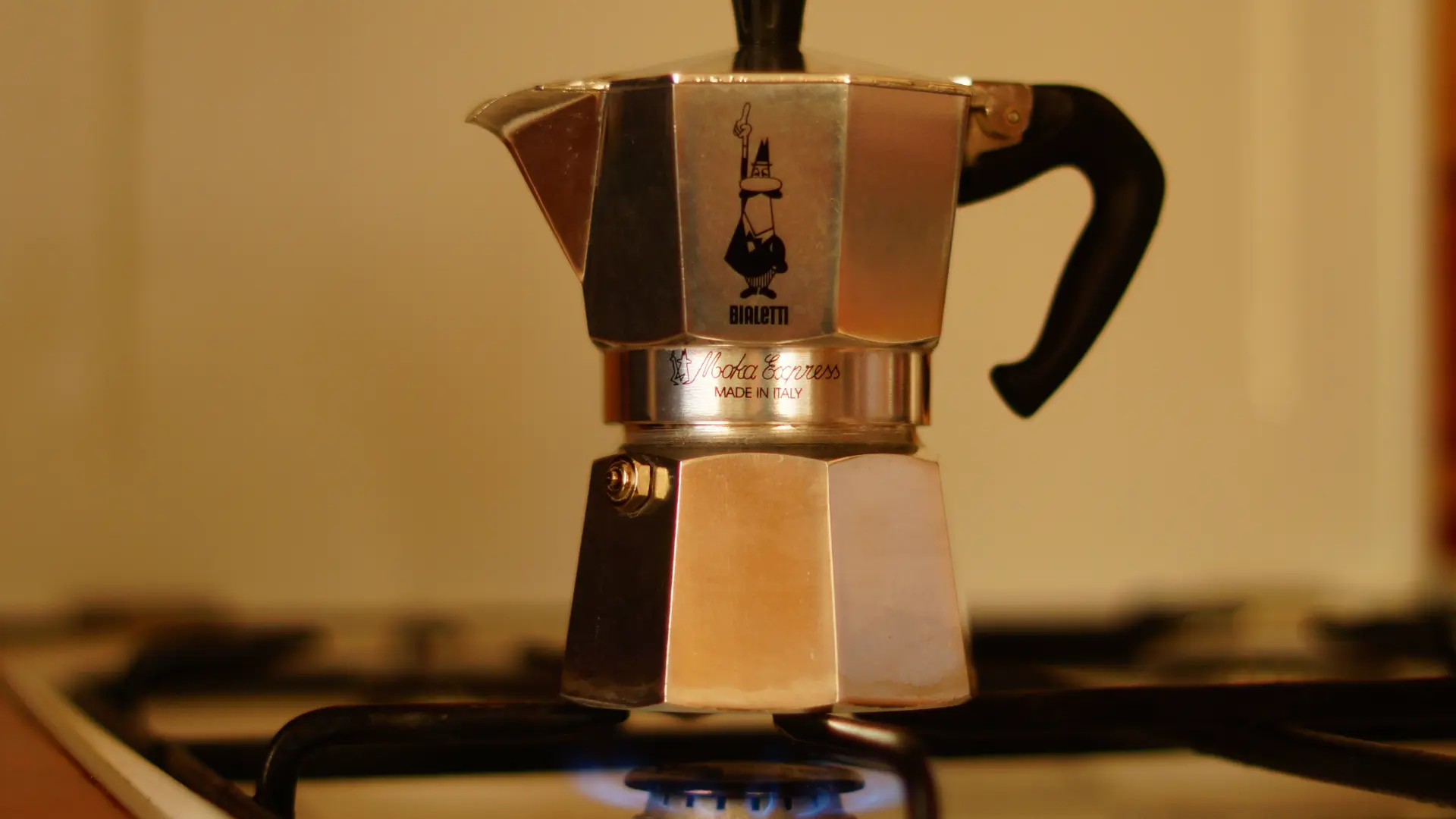
The moka pot was invented, which is still used not just for coffee preparation, but also as a great conversation starter about whether one should wash it or not. Soon enough we got the espresso machine, which required baristas to be both mechanics and explosion-resistant. However, since European regulators could not give up their thick black nectar, they quickly came up with the concept of occupational safety laws, and nowadays we can just push a button on our espresso machine without hiding behind the counter.
Italian coffee didn't just stop at Italy or Europe — it quickly expanded to all the continents, and the Italian flag is still a symbol in the coffee world.
The Great Coffee Schism
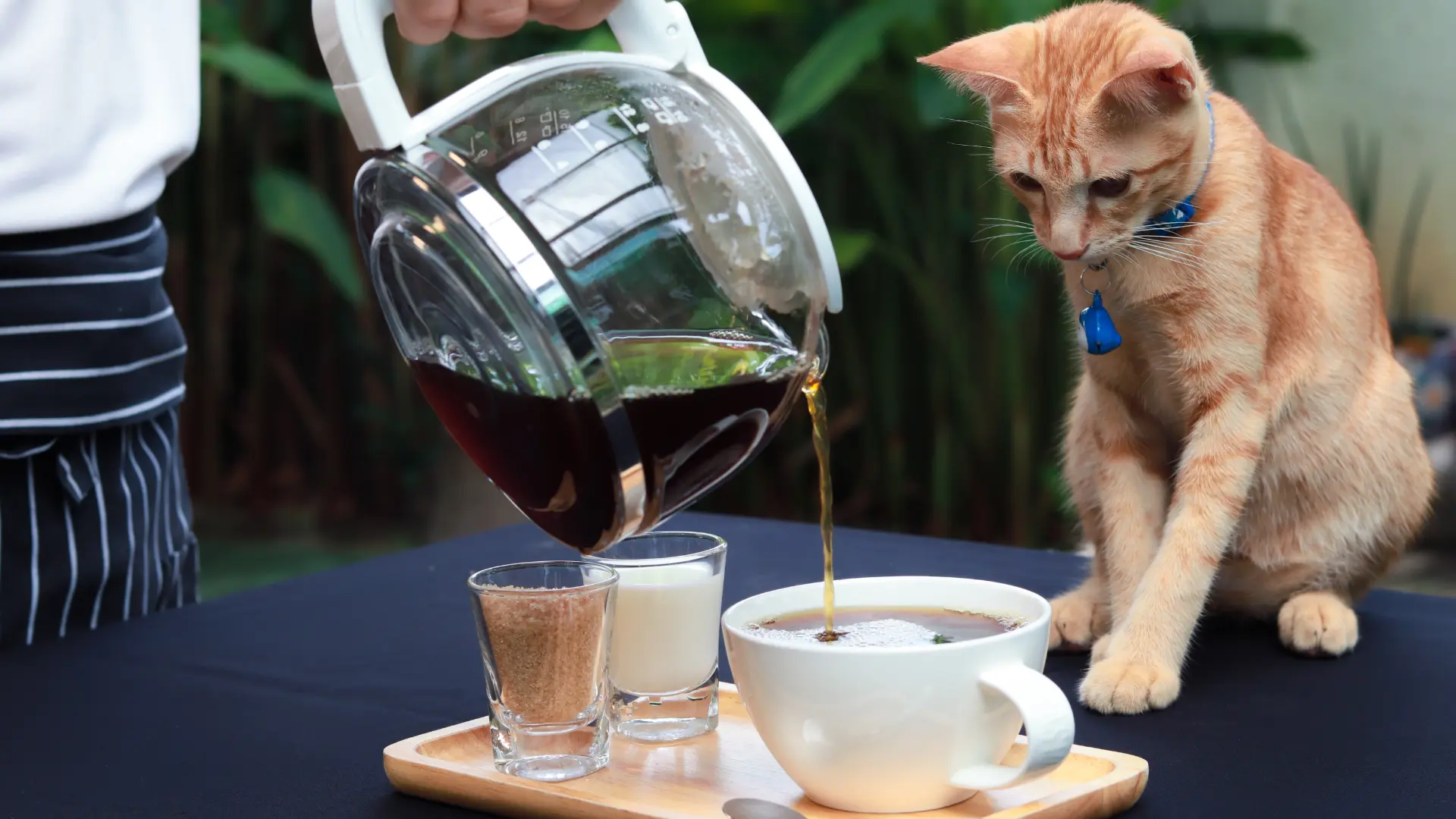
As express espressos, longer coffee drinks, and sweet treats each claimed their place, the coffee world split into traditions too diverse for a single culture to contain. Post-Ottoman cultures kept it as a ritual after a meal, Nordic countries and Japan made drip coffee their quiet mainstream, and in the developing world, instant coffee became a status symbol — because that was the one people could see in TV ads. Apart from these, we got America doing something American: taking a small low-carb drink and turning it into a giant portion of diabetes labeled with the newest consumerist trends.
Specialty Coffee: The Taste Awakens
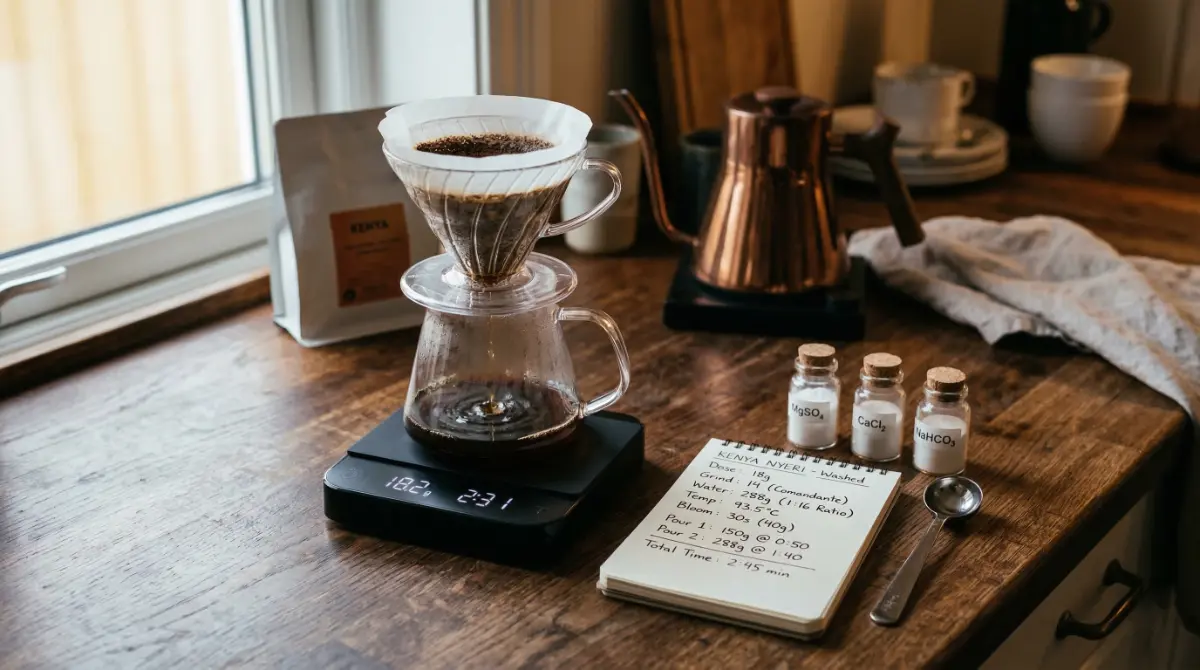
A New Hope arose when some roasters started to experiment with lighter roast profiles, suddenly discovering that coffee can have an actual flavour, and specialty coffee was born. Gradually, supply chains, equipment and customer awareness helped it to grow, and nowadays even supermarkets can offer something specialty, which sounded unthinkable a few years ago.
And the story doesn't stop there. Thanks to the internet, people started to be more educated about coffee. I mean, who wouldn't want to experience a wine-tasting-like event every time they go to a cafe or every time they drink a cup at home?
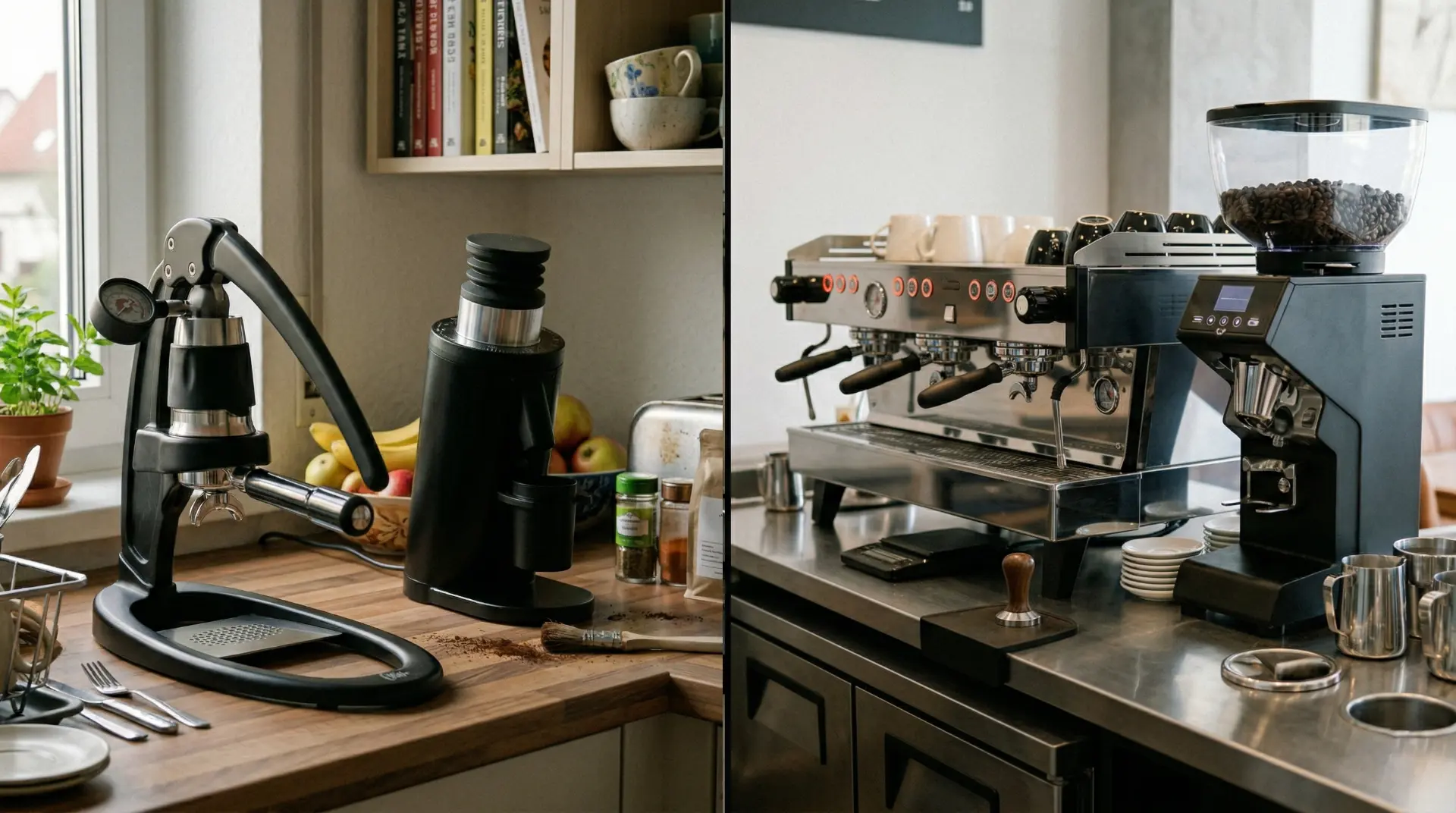
The biggest wind in the black sails of specialty coffee was COVID. Obviously not because the virus deprived the infected from tasting anything, but because it extremely accelerated home coffee brewing to a point that an espresso machine is no longer something unusual in people's homes. We've gotten so far that even noticing the differences between tap water, filtered water and custom-made coffee brewing water is not a sign of obsessiveness anymore, but of a sophisticated taste awareness.
The Future Gets Written By You

Doesn't matter what you read about coffee's future, because as its consumer, you write the story. If you are on this page, it means your social media feed is already full of coffee content, and you can probably see everything from clumsy barista robots through bottled cold brews to pre-batched espressos, or weird coffee-matcha-goulash-mushroom mixes.
Some of these deserve a moment, but overall the point of a café is not the liquid in the cup alone — it's the atmosphere, the craft, the person who made it while you watched. Until robot baristas can silently judge you for ruining your coffee with sugar, the human behind the counter isn't going anywhere.
Where will this take us a few years from now? Let's find out…I mean: The Best Is Yet To Come!

Leave A Comment