
Is Coffee Healthy Or Harmful?
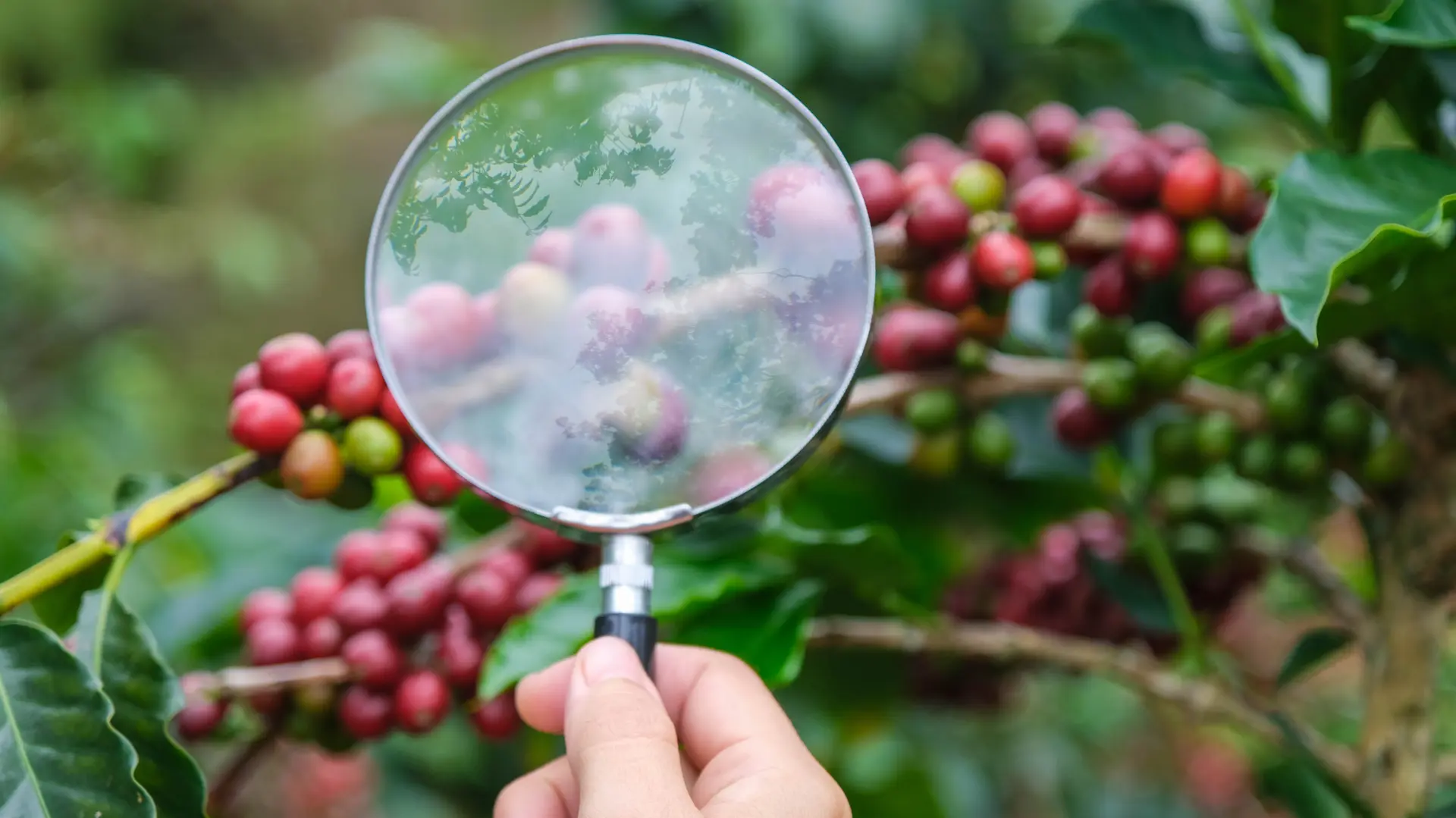
We've all noticed this: one week coffee is the very secret of eternal life, while the next week it is literal poison that curses your bloodline... But it isn't just coffee, on even weeks drinking wine or chocolate is better than having a workout, then next week even a tiny little sip or bite occasionally will give you cancer. So what exactly is going on?
In order to understand the whole phenomenon, let's clarify how scientific publishing and how journalism works.
How does science work?
As bigger and bigger proportion of the population is getting higher education, the economy and academia are struggling to catch up with that. Scientists often face pressure to publish regularly, because academic careers depend on publication output. This usually leads to quantity over quality in better scenarios, and in worse scenarios: outsourcing. The demand for this market is so high that the supply has become enormous! The proportion of the fake studies is growing, and with the emergence of AI-tools who knows where will this lead us.
How does journalism work?

But the quick-paced cruel world didn't just affect science, it affected journalism as well. Nowadays only a very few people pay for their news, majority of them choose free alternatives. As the famous internet quote says: "if you don't pay for the product, then you are the product". And no, it's not you promising them your firstborn after accepting the cookie banner, it's something much more vile. You pay with your attention. I mean sure, you may ask "how on earth is it bad to pay attention to something I wanna read, isn't that like the whole point?"
Well, the problem is that people don't even read, but consume and engage. They don't read the entire article, but consume the caption, and if it's sensational or upsetting enough, they might even share it or open the comment section. Moreover, if they wanna fight, or just mention the typo that the author left there on purpose, then they push the algorithm in their favour, thus generating more engagement and more revenue. But again, the first rule for a successful news outlet is not to get bankrupt in the first place.
Science is not capricious, but journalism is.
Obviously, all this above doesn't give people the right to go on and call studies fake. Whenever you think science contradicts itself, it's just a journalist who is immune to impostor syndrome. Science is objective, but only for those who know how to interpret it...and mainstream journalists have absolutely no clue how to do so.
Okay-okay, but what is the truth then?
Physiological effects of coffee

Coffee has over 1000 chemical substances trapped inside that undergo countless chemical processes until they land in your cup, and then each of them has countless physiological effects that manifest in countless combinations depending on countless factors. Sounds boring and so frustratingly unsatisfyingly inconclusive that you might think you're having a stroke...or just high blood pressure from your daily 4 double espressos "for the taste"? Anyway...
Central Nervous System
- Stimulation and alertness: Caffeine blocks adenosine receptors, reducing feelings of tiredness and increasing alertness and concentration within about 15-45 minutes after consumption.
- Cognitive benefits: Moderate intake (1–4 cups/day) is linked to improved processing speed, memory, and a reduced risk of dementia and cognitive decline.
- Anxiety and sleep disturbance: Excessive caffeine can cause nervousness, jitteriness, anxiety, and interfere with sleep.
- Withdrawal symptoms: Abrupt cessation can lead to headaches, tremors, and other withdrawal effects.
Cardiovascular and Circulatory Systems
- Temporary blood pressure increase: Caffeine can transiently raise blood pressure by stimulating adrenaline or blocking vasodilating hormones.
- Heart rhythm effects: In susceptible individuals or overdoses, caffeine may cause rapid heartbeats.
- Long-term effects: Moderate coffee consumption is linked to lower risks of heart failure, stroke, and cardiovascular disease mortality.
Digestive System
- Increased gastric acid: Coffee stimulates stomach acid and gastrin secretion, potentially causing heartburn, acid reflux, or gastrointestinal discomfort.
- Influence on gut microbiota: Coffee may have a beneficial effect on gut bacteria, but more research is needed.
- Nutrient absorption: Coffee can impede iron and zinc absorption, affecting mineral bioavailability.
Musculoskeletal System
- Calcium metabolism: High caffeine intake may interfere with calcium absorption, but only relevant for those at risk of osteoporosis.
Other Effects
- Diuresis: Caffeine increases urine production leading to more frequent urination shortly after consumption.
- Potential protective effects: Coffee consumption is associated with lower risks of Parkinson’s disease, certain cancers, type 2 diabetes, liver diseases, and may reduce DNA strand breakage.
- Longevity: Studies suggest coffee drinkers have a lower risk of death from multiple causes compared to non-drinkers.
Psychological effects of coffee

A very few people drink it for its effect, it's mostly consumed as a part of a ritual or social activity. For many people it is a hobby, and the reward of the entire brewing process, then the successful tasting experience can yield more benefits than the chemical part itself.
What factors affect all these effects:
- Correlation does not equate causation: People consume coffee as part of various activities, not like a food supplement or something, therefore the activities may have bigger impact than the beverage itself.
- What else is consumed with coffee: You may consume coffee with several additives like milks, syrups, sugars, powders. You may also consume it via an equipment that releases toxins into your beverage.
- The body adapts: Your body can adapt to regular coffee consumption and develop tolerance towards certain chemicals, therefore some effects might become less pronounced or completely negligible over time.
- Real-life application: Just because there is a measurable statistically significant effect in lab conditions, it doesn't mean that in real life it is going to be even noticeable.
- You are an individual, not a group: You may have a combination of genetics and lifestyle that could turn the potentially beneficial or harmful effects into the opposite.
So is coffee healthy or not?
Coffee is healthy, unless:
- you don't have any medical condition or don't take any medication that would interfere with the substances in your coffee
- don't drink it with questionable additives
- don't use questionable & not maintained equipment
- don't drink more than your body can tolerate (you can feel it)
- don't drink it at least 6-12 hours before sleep
So let's brew your favourite beans and enjoy both the process and the taste. Stop worrying about clickbait articles and start listening to your body. The best is yet to come!






Leave A Comment